
Modern solar panel systems installed in the UK typically last 25 to 30 years, with many continuing to generate electricity well beyond this. However, understanding your system's longevity means looking at each component individually. The solar panels themselves are remarkably durable, but inverters and batteries.require replacement during the system's lifetime.
So, What is the Typical Lifespan of a Residential Solar Panel System? This guide explains exactly what to expect from your investment and how to ensure your array achieves its full potential. At Fusion Solar UK, we're MCS-certified installers committed to using only Tier 1 components that deliver reliable performance for decades.
Article reviewed by James Muse, MCS Certified Lead Installer with over 15 years' experience in renewable energy
When people ask about solar panel longevity, they're usually most concerned about the panels themselves, and this is where the news is excellent. Solar panels don't simply "stop working" after 25 years, they gradually become slightly less efficient over time.
Industry-standard panels are warranted to retain at least 80-85% of their original efficiency after 25 years, whilst premium panels from manufacturers like SunPower and REC guarantee 88-92% efficiency over the same period.
This degradation happens slowly. Older polycrystalline panels degrade at approximately 0.5-0.8% per year, whilst modern N-type monocrystalline panels—now the industry standard—degrade at just 0.25-0.4% annually. In practical terms, a 400-watt panel installed today will still produce around 340-360 watts after 25 years.
The UK's climate actually works in your favour when considering how long your array will last. Solar panels perform best in cooler, bright conditions which is precisely what we experience across most of Britain. Unlike installations in Spain or Australia where extreme heat accelerates degradation, UK solar panels benefit from our mild temperatures. Solar panels generate electricity more efficiently at 15-25°C, and our climate rarely subjects them to the punishing thermal stress that shortens system durability in hotter countries.
Many solar panels continue operating effectively for 30-40 years or more. The 25-30 year figure represents the economic lifespan, the period during which the panels deliver optimal return on investment. After this, they're still functional and valuable, just slightly less productive.
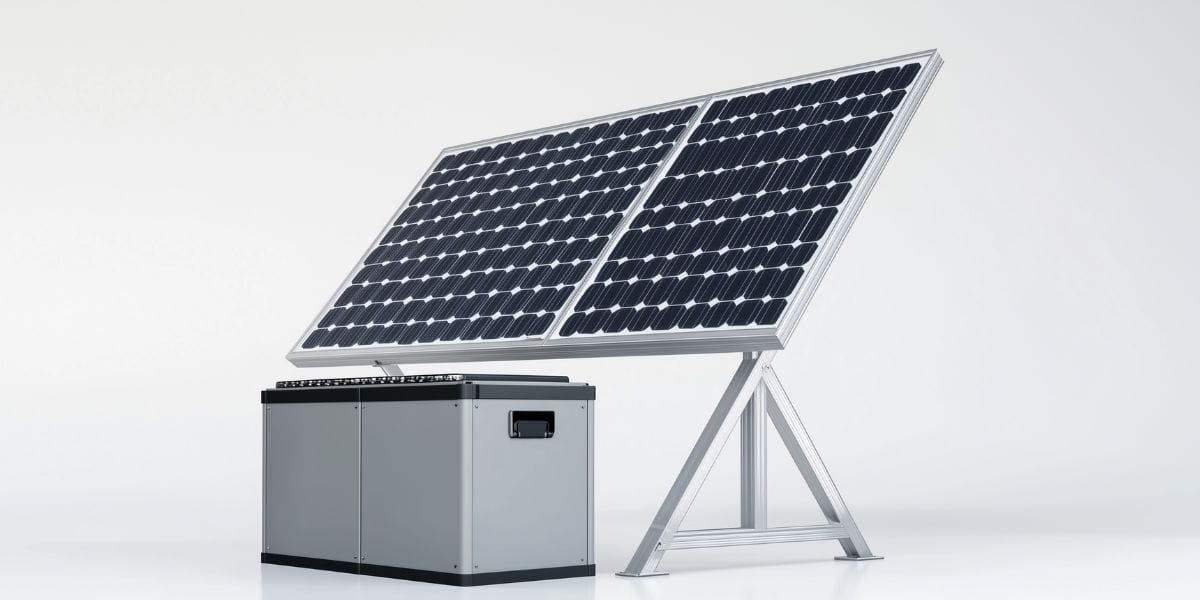
Whilst the panels define your overall investment horizon, other components have shorter service lives that require planning.
String inverters typically last 10 to 12 years. In contrast, microinverters can last 20-25 years. This means you should expect to replace a string inverter once or twice during your solar panels' 25-30 year lifetime.
Why the shorter lifespan? Inverters contain electronic components like capacitors that degrade over time, particularly when exposed to heat. In the UK, inverters are often installed in lofts which, despite our moderate climate, can reach 40-50°C on summer days. This accelerates component wear.
Budget £500-£1,500 for inverter replacement, depending on system size and complexity. This is a planned maintenance cost, not a system failure, and should be factored into your understanding of the complete system's life expectancy.
Microinverters are small units mounted beneath each panel, which offer a significant advantage: their 20-25 year lifespan closely matches your panels' durability. Brands like Enphase provide industry-leading 25-year warranties, effectively eliminating the mid-life replacement cost of string inverters.
Whilst microinverters cost more upfront, the total cost of ownership over 25 years is often comparable or lower when you factor in avoided string inverter replacements.
Battery storage systems typically last 10 to 15 years, depending on chemistry and usage patterns. Lithium Iron Phosphate (LFP) batteries, used by Sigenergy, Tesla Powerwall, and other premium brands (which we use at Fusion Solar UK), offer the longest service life, rated for 6,000 to 10,000 charge cycles.
In practical terms, if you fully charge and discharge your battery once daily, you'll achieve 15-20 years of operation. However, UK winters present a specific challenge. Batteries perform poorly in cold conditions, and those installed in unheated garages may experience reduced efficiency and accelerated degradation. Quality systems with integrated thermal management maintain optimal performance even in sub-zero temperatures.
Modern battery warranties reflect this longevity. G offers a 12-year warranty with unlimited cycles for self-consumption, whilst Tesla provides a 10-year warranty. Budget £2,000-£4,000 for eventual battery replacement, though costs are likely to decrease as technology advances.
Several factors determine whether your solar array achieves its full 25-30 year potential or fails prematurely. Understanding what impacts PV module life expectancy helps you protect your investment.
Proper installation by an MCS-certified installer is non-negotiable. Poor workmanship can reduce your system's durability from 25-30 years to just 5-7 years. Critical installation factors include:
At Fusion Solar, every installation is carried out by our experienced in-house team of MCS Certified installers, ensuring consistent quality and full accountability which is a level of service you won't find from national firms that subcontract work. Get a free -no-obligation quote today.

Britain's cool, temperate climate is actually ideal for maximising solar array longevity. Whilst we may envy Mediterranean sunshine, extreme heat is a solar panel's enemy. High temperatures accelerate the breakdown of panel materials and stress electrical connections.
The UK rarely experiences the temperature extremes that plague installations in hotter climates. Our panels operate in their optimal efficiency range and suffer minimal thermal degradation. The primary weather concern is moisture. High humidity and persistent rainfall can exploit poor-quality seals, leading to water ingress and corrosion. This is why using panels with robust waterproofing and glass-glass construction is essential for UK installations.
Well-maintained systems consistently outlive neglected ones. Essential maintenance to maximise your investment's horizon includes:
The best time for professional cleaning is March or April, ensuring your panels are spotless for the peak generation months of May, June, and July.
*All prices are estimated
Not all solar panels are created equal. Tier 1 manufacturers—including JA Solar, Q Cells, SunPower, GivEnergy, Sigenergy and Tesla, produce panels with superior materials, rigorous quality control, and proven durability. At Fusion Solar, we exclusively install Tier 1 equipment because we're committed to systems that deliver reliable performance for decades.
Modern N-type monocrystalline panels significantly outlast older polycrystalline technology, with degradation rates 50% lower and better resistance to humidity-related issues common in the UK.
Solar warranties provide crucial protection throughout your array's operational life. However, it's important to understand there are two distinct types.
Product warranties cover manufacturing defects and physical failures—cracked glass, frame corrosion, junction box failures, and waterproofing issues. Standard product warranties range from 12 to 25 years, whilst premium manufacturers offer up to 40 years.
This warranty ensures that if your panel physically fails due to a manufacturing defect, the manufacturer replaces it at no cost.
Performance warranties guarantee minimum power output over time. Standard warranties promise 80-85% efficiency after 25 years, whilst premium panels guarantee 88-92%. If your panel degrades faster than the warranty specifies, the manufacturer compensates you.
Crucially, these warranties are separate. A panel might have a 12-year product warranty but a 25-year performance warranty, meaning physical defects are covered for 12 years, but power output is guaranteed for 25.
All Fusion Solar installations are MCS-certified, which is mandatory for accessing the Smart Export Guarantee (SEG), the scheme that pays you for surplus electricity. Our 5 out of 5 rating on Trustpilot reflects our commitment to quality installations using only warrantied, Tier 1 components. We provide insurance-backed workmanship guarantees, protecting you even if unforeseen circumstances arise.
Ready to discuss the right warranty coverage for your home? Contact Fusion Solar for a transparent, no-pressure consultation.
Understanding how long your array will last is one thing—but what does this mean financially over 25 years?
Typical UK solar installations achieve payback in 6 to 10 years. After this point, you enjoy 15 to 20 years of essentially free electricity. The current 0% VAT rate on solar and battery installations (until 2027) significantly improves returns, effectively reducing your upfront cost by 20%.
Annual savings vary by system size and usage, but homeowners typically save £800-£1,200 per year on electricity bills. The Smart Export Guarantee provides additional income by paying you for surplus energy exported to the grid, rates vary from 4p to 29p per kWh depending on your supplier.
A realistic picture of your investment's horizon includes mid-life component replacements:
Even accounting for these expenses, your solar system delivers exceptional returns. Over 25 years, most installations generate £20,000-£30,000 in savings and export income, far exceeding the total cost of ownership.

Financial returns are compelling, but the benefits extend further. Solar panels increase property values, with some studies suggesting a 3-14% premium for homes with renewable energy systems. You also gain protection from volatile energy prices, whilst grid electricity costs fluctuate unpredictably, your solar generation remains free for decades.
Calculate your personalised 25-year savings with a free Fusion Solar assessment.
Call us on 0114 312 4231.
Want to ensure your investment achieves, or exceeds, its expected 25-30 year potential? Follow these expert recommendations.
The most important decision happens before installation begins. Select an MCS-certified installer who uses Tier 1 manufacturers and conducts thorough site surveys. At Fusion Solar, we personally manage every installation with our experienced in-house team, using only proven brands like JA Solar, Q Cells, SunPower, GivEnergy, Sigenergy or Tesla
Cutting corners on installation quality to save a few hundred pounds is false economy when you're investing in a 25-30 year asset.
Two of the biggest threats to solar array longevity in the UK are entirely preventable:
Bird damage: Pigeons nest beneath panels, and their acidic droppings corrode cables whilst nesting materials create dangerous hot spots. Installing bird protection mesh costs £300-£600 upfront but prevents thousands in potential damage. This is money well spent.
Moisture ingress: Regular monitoring catches isolation resistance (RISO) faults early, these occur when moisture creates electrical leakage paths. Your inverter will alert you to these issues, but only if you're actively monitoring your system via the manufacturer's app.
Professional cleaning once or twice yearly keeps your panels operating at peak efficiency. Whilst UK rain removes light dust, it doesn't eliminate bird droppings, lichen growth, or traffic film from nearby roads. A professional clean costs approximately £150 and ensures your warranty remains valid.
Schedule your annual clean for March or April, preparing your system for the high-generation summer months.
Financial surprises undermine confidence in your investment. Budget for inverter replacement around year 10-12, setting aside approximately £100 annually in a dedicated fund. When replacement time arrives, you'll have the cash ready without stress.
Alternatively, consider microinverters from the outset. Whilst they cost more initially, they eliminate this mid-life expense entirely, providing predictable costs over your array's full operational life.
So, what is the typical lifespan of a residential solar panel system? The answer is clear: 25 to 30 years for the complete system, with the panels themselves often continuing well beyond this whilst inverters and batteries require replacement after 10-15 years.
Modern solar arrays installed in the UK today offer exceptional long-term value. Proper installation by MCS-certified professionals, regular maintenance, and quality components are the keys to achieving full system durability. The financial benefits are compelling: after a 6-10 year payback period, you enjoy 15-20 years of profit, protection from energy price volatility, and increased property value.
Technology continues advancing. Modern N-type panels degrade half as quickly as older models, and warranty periods are extending. The solar system you install today represents one of the most durable and financially sound improvements you can make to your home.
At Fusion Solar, we've been installing systems built for the long term for over a decade. Our 5 out of 5 Trustpilot rating reflects our commitment to quality, transparency, and customer satisfaction. Every installation uses Tier 1 components, is carried out by our dedicated in-house team, and is backed by comprehensive warranties.
Ready to invest in a solar system that will power your home for decades? Contact Fusion Solar today for your free, no-obligation assessment. Call now on 0114 312 4231 or contact us today via the website
The typical lifespan is 25 to 30 years, with the panels themselves often lasting 30-40+ years. However, inverters typically need replacement after 10-12 years, and batteries last 10-15 years. The complete system continues generating valuable electricity for decades.
No. Solar panels continue generating electricity well beyond 25 years, they simply produce slightly less power. After 25 years, expect 80-85% of original output (or 88-92% for premium panels). Many systems operate effectively for 30-40+ years.
String inverters last 10-12 years, requiring replacement once or twice during your panels' lifetime. Microinverters last 20-25 years, matching your panels. Budget £500-£1,500 for string inverter replacement, or choose microinverters to eliminate this mid-life cost.
Poor installation quality, lack of maintenance, pigeon damage, and moisture ingress through faulty seals are the primary threats. Using a non-MCS certified installer or cheap components can reduce durability from 25-30 years to just 5-7 years.
Absolutely. After achieving payback in 6-10 years, you enjoy 15-20 years of essentially free electricity. Even at slightly reduced efficiency, panels continue generating valuable power and SEG export income, delivering excellent long-term returns.
Choose an MCS-certified installer like Fusion Solar, use Tier 1 components, install bird protection, maintain regular cleaning schedules (every 12-24 months), monitor system performance via your app, and budget for planned component replacements like inverters at year 10-12.
"*" indicates required fields
